

When it comes to online learning tools, things can feel overwhelming fast. Maybe you’re running training for several departments, or you’re a small business collaborating with lots of partners. Wouldn’t it be easier if everyone could just learn in their own space, but without the hassle of managing a million separate systems? That’s exactly what a multi-tenant LMS does; it’s like having one super-smart platform that creates unique, private learning zones for each group, all under one roof.
Think of it like an apartment complex with plenty of cozy flats. Everyone gets privacy, but it’s all managed together, for less stress and streamlined support. If you’re an educator, a manager, or just getting into the world of learning technology, this guide breaks down the multi-tenancy LMS model in everyday language. Here’s how it works, and why it’s changing how teams, clients, and partners learn together.
What Is Multi-Tenancy?
Multi-tenancy might sound technical, but it’s actually a pretty intuitive idea once you break it down. Let's pick the same example, imagine a big apartment building: everyone lives under the same roof, but each person or family gets their own private home. They share things like elevators and security, but their living spaces and belongings are separate and secure.
In the software and cloud computing world, multi tenancy works much the same way. Instead of building a separate version of an app for every customer, developers build one super-flexible app that lots of different groups, called tenants. Each tenant has their own “apartment” inside the app, so their data and settings don’t get mixed up with anyone else’s.
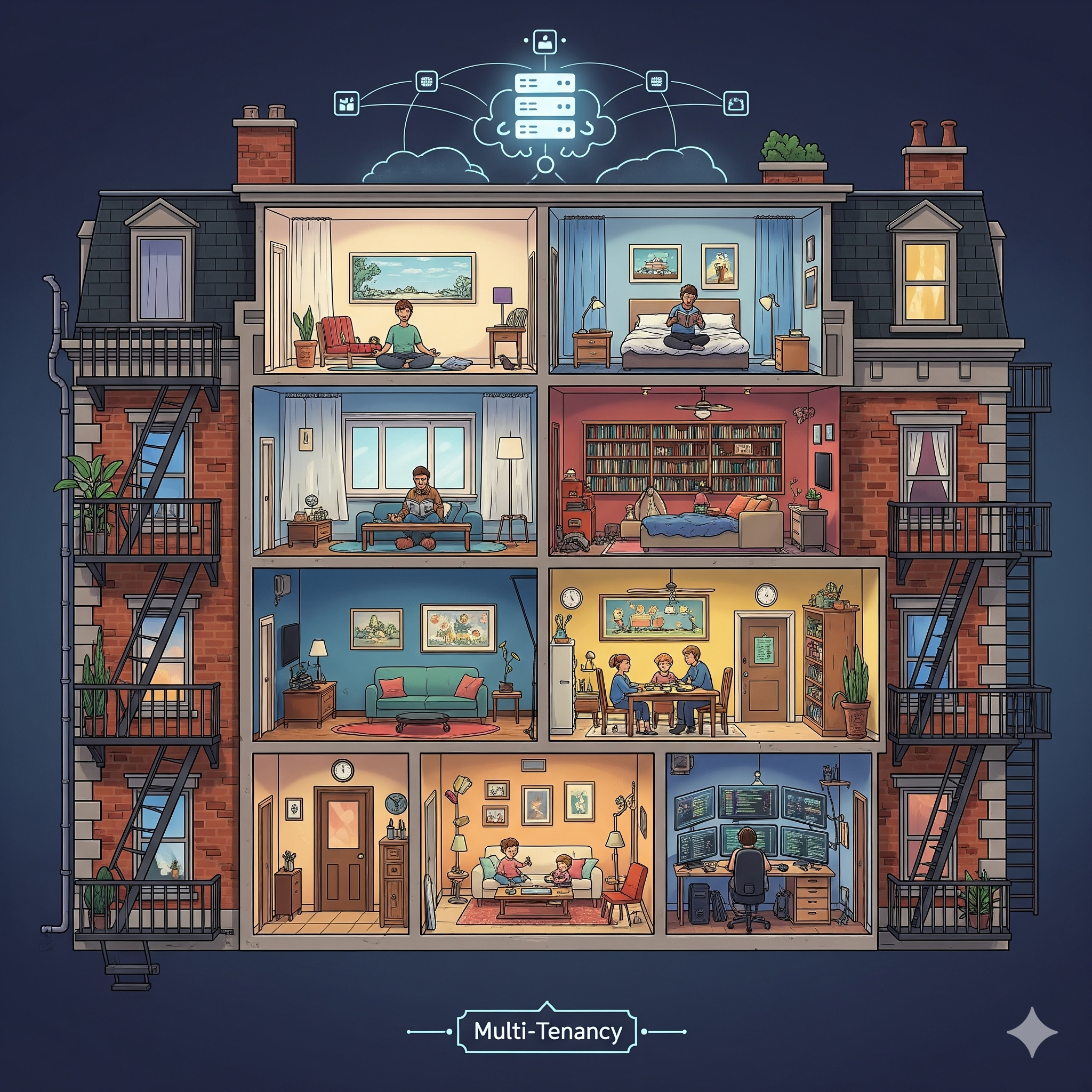
This approach is a game-changer for modern SaaS platforms. It helps companies grow faster, save money, and roll out updates or new features for everyone instantly, without juggling dozens of systems. At the end of the day, multi-tenancy means people and businesses get a tailored, secure experience, while providers can keep things running smoothly behind the scenes.
What is a Multi-tenant LMS?
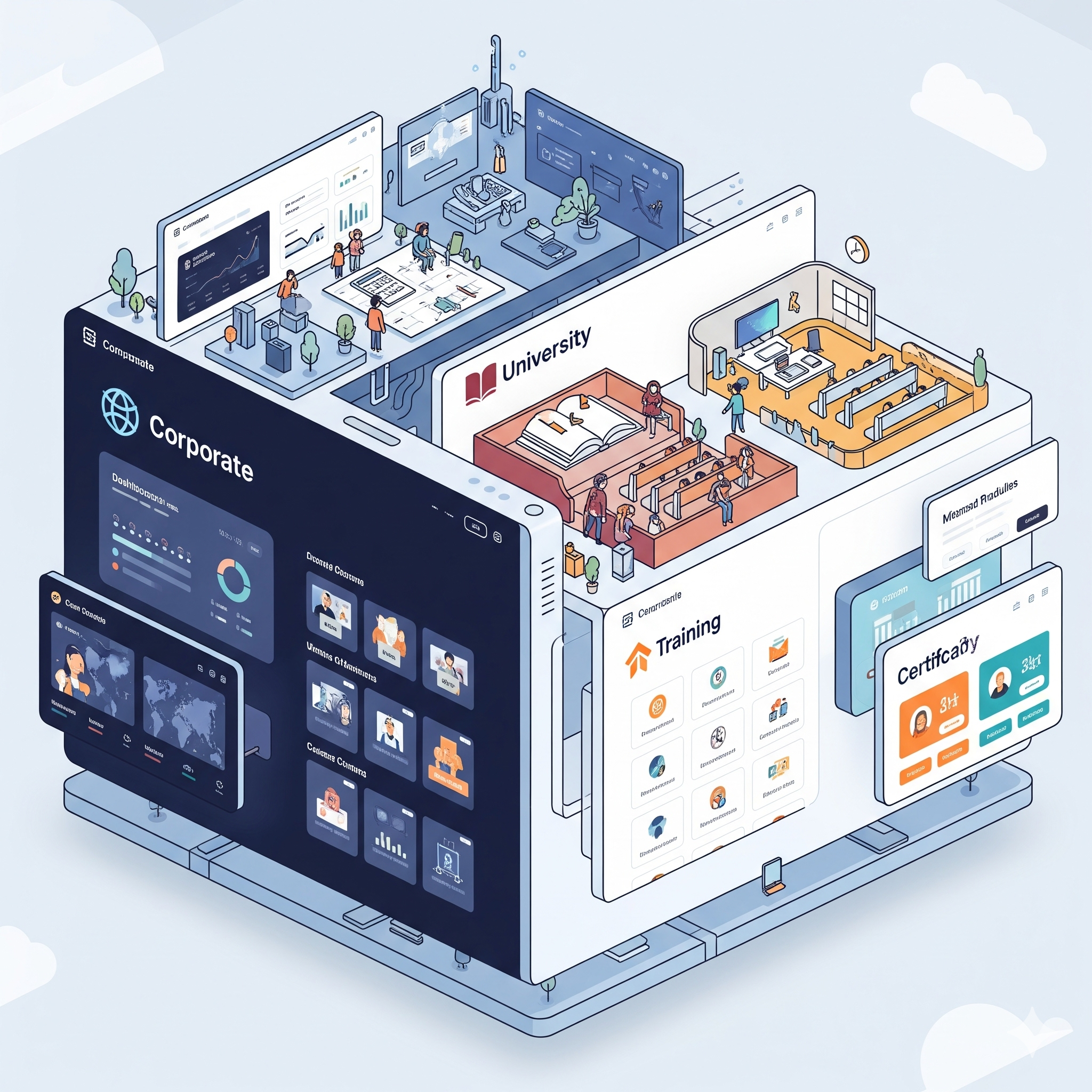
Think of a multi-tenant LMS as a single powerful learning platform that wears many hats at once. Instead of creating separate learning systems for each team, department, or client, a multi-tenant LMS lets you manage many different groups called “tenants”, all under one roof. Each tenant enjoys its own unique, secure learning environment, with personalized branding, courses, and permissions tailored just for them.
This setup makes life easier and more efficient for organizations that need to train different groups on unique content without confusion or wasted effort. Whether it’s a corporation with various branches, a franchise chain training store teams, a professional association educating members, or a training company supporting many clients, a multi-tenant LMS offers a cost-effective, scalable solution. You update the system once, and every tenant benefits, but each tenant keeps their data secure and separate.
Why Use a Multi-tenant LMS?
A multi-tenant LMS offers the perfect balance between central control and tenant-specific flexibility, making it a smart choice for growing organizations. Here’s why:
- Centralized Control with Decentralized Experiences
Super admins can manage everything, like users, content, reporting, from one system, while each tenant enjoys a unique, branded learning environment. This means you get consistency in training standards without sacrificing personalization. - Flexibility for Multiple Audiences
Whether you’re serving internal teams, external clients, franchise partners, or multiple departments, a multi-tenancy LMS ensures each audience has its own dedicated space while still running on the same platform. - Cost Savings, Scalability, and Faster Onboarding
Instead of purchasing and maintaining separate LMS instances, you save costs by running one platform that grows with your needs. Adding new tenants is quick, and onboarding new clients or departments becomes seamless, no extra infrastructure required.
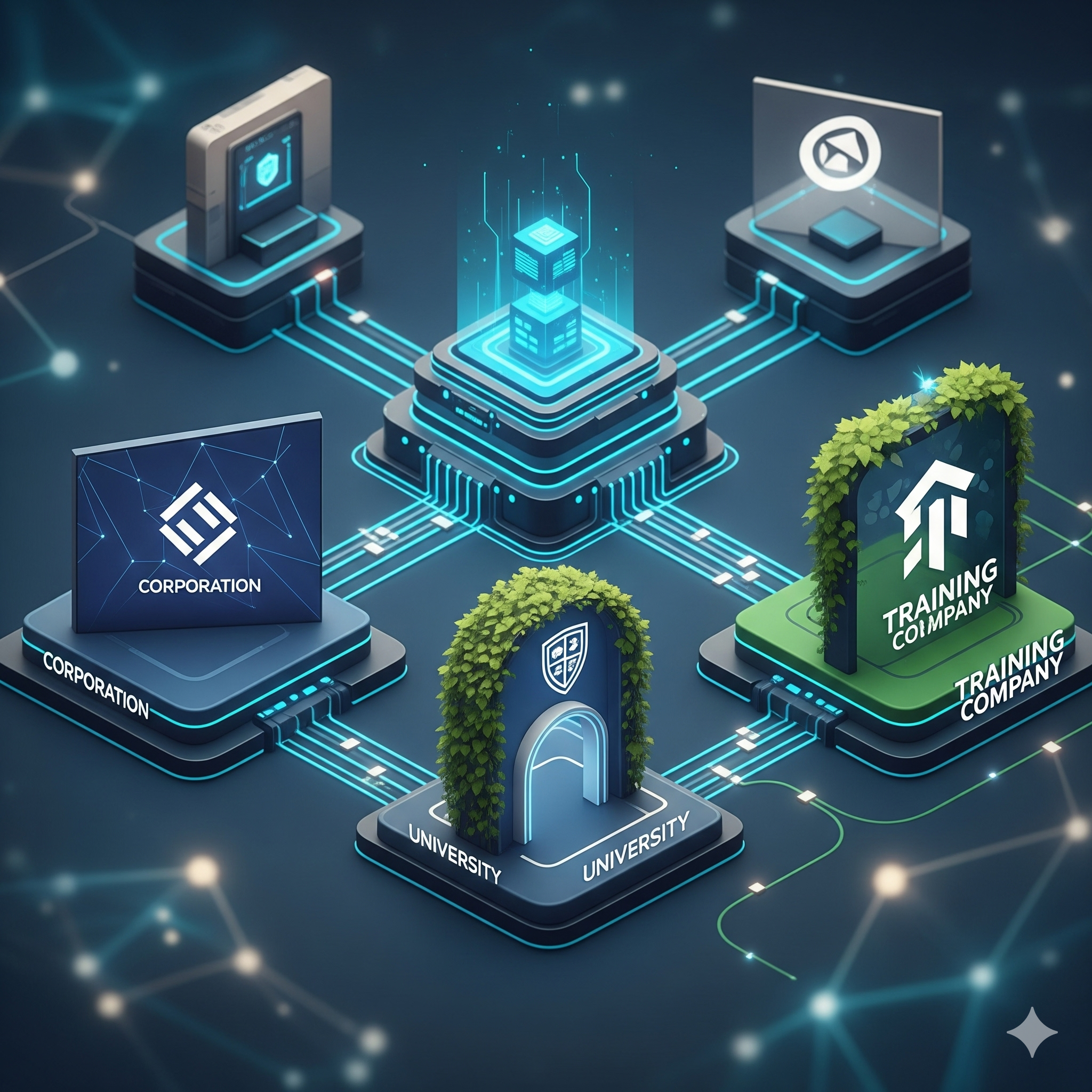
A multi-tenant LMS helps you deliver tailored learning experiences to different groups while keeping everything efficient, affordable, and easy to scale.
Multi-tenant LMS vs Single-tenant LMS
When choosing a Learning Management System (LMS), understanding the difference between multi-tenant and single-tenant models is essential. Both have their strengths and suit different organizational needs. Here’s a detailed comparison to help decide which fits your unique situation.
| Aspect | Single-tenant LMS | Multi-tenant LMS |
|---|---|---|
| Architecture | Each client has its own dedicated LMS instance, including separate databases and infrastructure. | Multiple clients share a single LMS instance, with data logically separated for each tenant within that shared system. |
| Cost | Typically more expensive due to dedicated resources, separate licenses, and individual maintenance. | More cost-effective as infrastructure, licenses, and maintenance efforts are shared across tenants. |
| Scalability | Scaling means deploying new instances, which can be time-consuming and costly. | Highly scalable; adding new tenants is simple without disrupting existing ones. |
| Customization | High customization possible; the LMS can be tailored fully to client-specific needs, branding, and workflows. | Customization options are more limited to ensure the shared platform functions smoothly for all tenants. |
| Maintenance & Updates | Client handles or schedules their own updates and maintenance, which may lead to delays or inconsistencies. | Centralized updates; the provider maintains and updates the platform for all tenants simultaneously, ensuring everyone benefits from the latest features and security. |
| Data Isolation & Security | Strong data isolation with dedicated environments, offering enhanced security control. | Data is logically separated within a shared environment; robust security measures are in place, but some companies may have concerns about shared infrastructure. |
| Control & Flexibility | More control over when and how updates and customizations are applied; greater control of user access and data policies. | Less individual control, as platform changes affect all tenants; however, centralized control streamlines many processes. |
When to Choose Single-Tenant LMS
- When your organization requires extensive customization beyond standard offerings, especially if specialized workflows or integrations are necessary.
- If you need full control over your data environment and prefer exclusive infrastructure for compliance or security reasons.
- For organizations that have the resources and preference to manage their LMS updates and maintenance schedule independently.
- Ideal for smaller organizations or those with very specific training setups that don’t require frequent scaling or onboarding of new tenants.
When to Choose Multi-Tenant LMS
- If your organization needs to serve multiple internal departments, franchise locations, clients, or partners with distinct learning experiences from a unified platform.
- When cost savings and operational efficiency are priorities, leveraging shared infrastructure reduces expenses and administrative overhead.
- For companies expecting rapid scaling, onboarding new tenants quickly without complex system deployments.
- When you want hassle-free centralized maintenance and automatic updates, ensuring everyone has access to the latest LMS capabilities without delays.
A single-tenant LMS is like owning your private home, personalized, secure, and fully yours. A multi-tenant LMS is more like living in an apartment complex, sharing some infrastructure but enjoying your own private space within it. Choose the model that best matches your organization’s size, flexibility needs, budget, and security requirements to get the most out of your learning initiatives.
Key Benefits of a Multi-tenant LMS
A multi-tenant LMS offers a powerful combination of flexibility, efficiency, and security, making it a go-to choice for organizations that train multiple audiences. Here’s a detailed look at the key benefits that make multi-tenant learning platforms stand out:
Efficient Management and Reporting
One of the biggest advantages is centralized administration. With all tenants operating on a single platform, admins can easily manage, update, and deploy training content across multiple groups from one centralized dashboard. This saves tremendous time and effort compared to juggling multiple separate systems.
Reporting is also simplified; organizations can generate detailed reports for each tenant independently or aggregate data across the whole platform for broad insights. This granular yet comprehensive visibility helps identify knowledge gaps, track learner progress, and measure the overall impact of training initiatives.
White-labeling and Branding for Different Tenants
Each tenant can have its own branded learning environment, tailored to match their company colors, logos, and style. This white-labeling capability promotes a sense of ownership and identity for each group, whether they are departments, franchisees, clients, or members. It also enhances learner engagement and trust by providing a familiar and consistent look and feel, even though all tenants operate on the same core platform.
Streamlined Administration with Role-Based Access
Multi-tenant LMS platforms allow granular role-based permissions, meaning tenant admins can only manage their specific user groups and content. Meanwhile, super admins have overarching control across all tenants. This hierarchical access structure ensures smooth delegation of responsibilities while maintaining data integrity and security. It reduces administrative bottlenecks and allows each tenant to operate independently without compromising centralized oversight.
Strong Data Security and Privacy Controls Per Tenant
Although multiple tenants share the same system, their data is logically separated and securely isolated. Leading multi-tenant LMS solutions enforce robust security protocols to ensure that one tenant’s data cannot be accessed or compromised by another. This design supports compliance with strict privacy regulations and builds trust among users who might be wary of shared environments. Data segregation also means that if one tenant faces a security issue, it doesn’t affect others on the platform.
Reduced IT Overhead and Faster Deployment
Because only one version of the LMS is maintained, updates, patches, and new features can be rolled out instantly across all tenants; no need for costly, repetitive upgrades on multiple instances. This reduces IT workload and operational costs significantly. Furthermore, deploying new tenant environments is quick and easy since the infrastructure is already in place, allowing organizations to onboard new clients or teams rapidly and scale with ease.
A multi-tenant LMS combines operational efficiency, customization, security, and scalability in a single platform. It’s ideal for organizations looking to deliver personalized, branded learning experiences to diverse audiences while keeping management simple and cost-effective.

How to Choose the Best Multi-tenant LMS
Selecting the right multi-tenant LMS is a critical decision that can significantly impact how effectively an organization manages diverse learning needs. With so many options available, it’s important to focus on a few core criteria to ensure you pick a solution that is scalable, secure, and tailored to your unique requirements.
Must-Have Features Checklist
- Scalability: Your LMS should easily grow with your organization. Whether you add new tenants, expand user counts, or increase content offerings, the platform must handle the increased load without compromising performance.
- Ease of Use: An intuitive user interface benefits both administrators and learners. Easy navigation, simplified course creation, and user-friendly portals encourage higher engagement and reduce training overhead.
- Integration Capabilities: A good multi-tenant LMS should seamlessly connect with your existing tech stack, such as HR systems, CRM tools, or content authoring platforms. This streamlines workflows and enhances data synchronization.
- Robust Reporting: Access to detailed analytics and reporting tools helps administrators track learner progress, tenant engagement, and training effectiveness, essential for continuous improvement.
- Customization and Branding: The ability to white-label the LMS and customize learning paths per tenant ensures a personalized experience that fosters engagement and aligns with brand identity.
Other Important Considerations
- Vendor Support: Reliable customer service and technical support are crucial. Look for vendors offering 24/7 assistance, comprehensive onboarding, and regular training resources.
- Data Security & Privacy: Choose an LMS provider that prioritizes tenant data isolation, encryption, compliance with regulations like GDPR, and industry best practices to protect sensitive information.
- Compliance: If your industry requires adherence to specific standards (e.g., HIPAA, ISO), ensure the LMS complies with these and can help your organization meet its regulatory obligations.
Evaluating LMS Providers: Practical Steps
- Define your organizational needs — Identify the number of tenants, user types, content volume, and specific features critical for your training goals.
- Request demonstrations and trials — Get hands-on experience to test usability, feature sets, and integration ease.
- Check references and reviews — Learn from existing clients about their experience with implementation, support, and platform reliability.
- Assess total cost of ownership — Beyond licensing fees, factor in integrations, customization, training, and future scaling expenses.
Why BrainCert Stands Out
When it comes to trusted multi-tenant LMS solutions, BrainCert offers a comprehensive platform tailored for today’s complex training environments. It provides:
- Robust scalability designed to support diverse organizations, from training companies managing multiple clients to global enterprises overseeing numerous departments.
- An intuitive interface that simplifies course management and enhances learner engagement.
- Extensive integration options to connect with popular business tools and content providers.
- Advanced reporting and analytics capabilities that empower admins to measure learning outcomes effectively.
- Strong security protocols ensuring tenant data privacy, with compliance adherence for a range of regulatory standards.
- Dedicated customer support and onboarding resources that guide organizations through seamless implementation.
BrainCert’s multi-tenant LMS balances centralized control with tenant-level customization, making it an ideal choice for businesses aiming to deliver personalized, scalable, and secure learning experiences across multiple groups.
Choosing the right multi-tenant LMS like BrainCert sets the foundation for effective learning management that drives growth, efficiency, and learner success across your entire organization.
Conclusion
A multi-tenant LMS is a modern, efficient solution that allows organizations to deliver personalized, secure, and scalable learning experiences across multiple groups, all from a single platform. It simplifies administration, reduces costs, and supports diverse training needs while maintaining complete data privacy for each tenant.
Exploring modern multi-tenancy LMS platforms like BrainCert can future-proof your training programs, enabling streamlined management, strong learner engagement, and cost-effective scaling. Investing in the right multi-tenant LMS is an investment in a smarter, more agile learning ecosystem that drives long-term success.